Asbestos removal options
Asbestos popcorn ceiling removal
We sample the texture and the taped seams under it, since they can test differently. Whether the texture comes off alone or the drywall comes down with it depends on those results and your plans. The smooth finish and paint are your drywall finisher's job.
Asbestos floor tile and mastic removal
Tile, sheet-flooring backing and the glue under them can be separate materials in one room. We test each before deciding what comes up. Tell us what flooring goes down next, and we'll go over the subfloor with you, including who prepares it afterward.
Asbestos insulation removal
Leave suspect insulation alone until it's tested, whether it's duct wrap, tape in an old furnace closet or loose fill in the attic. Each is a different job; after the results, we line up access, the HVAC shutdown and whoever puts new insulation in.
Asbestos siding and roofing removal
Nobody should cut into cement siding or roofing before it's sampled. After that we work out how it comes off, how the bare walls stay dry and how our days fit with your siding or roofing crew.
Asbestos abatement before renovation and demolition
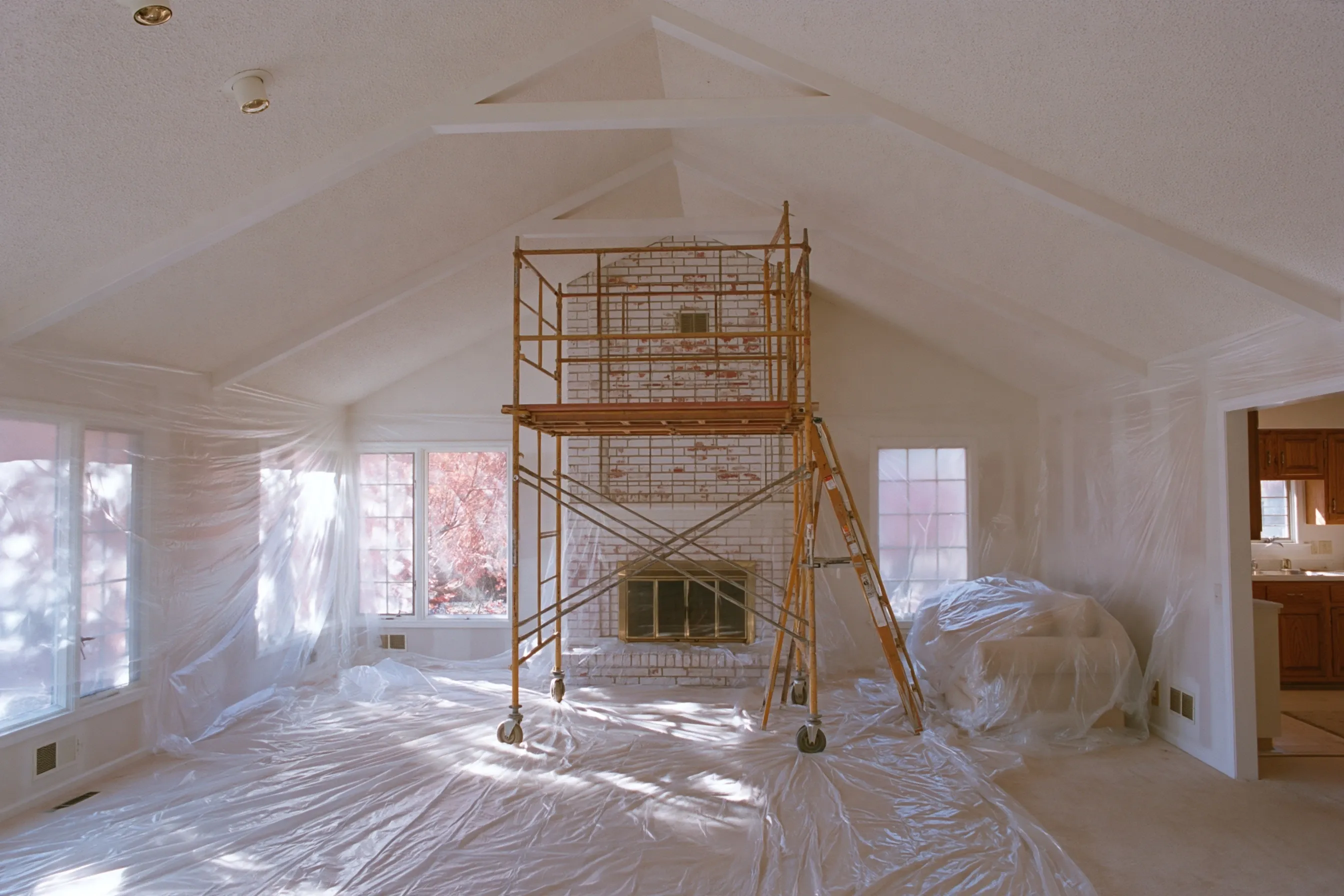
Send the plans before anything is torn out. A remodel gets a survey of the rooms you're changing and a teardown gets the whole building. We match the results, any state notice and the removal order to the plans, then tell your builder when they can take over.
Commercial asbestos abatement
Tenants still working next door set the pace in a shop or office suite. We map shared air, hallways and access, fit our work around how the building is used and leave the owner and next trades the records they need.
Plan for hidden materials during demolition
Demolition can uncover layers nobody could see when the samples were taken. If the crew finds something that wasn't sampled, work in that spot stops until it's checked. A clean result for one layer doesn't clear every finish behind it.
Mirrors, cabinets, floor overlays and other features can hide surfaces your remodel will reach, so point them out early. We decide with you who checks newly exposed material and how the plan changes before demolition goes on.
Getting ready for the job
The whole job
One clean sample from one room doesn't clear the whole house, so we need the full picture. That means every surface to be cut or torn out, the layers you expect behind them and any other building on the property. Send any older report and we'll check whether it covers this job. If the plans change, give us a heads-up before the work reaches that part.
Who does what
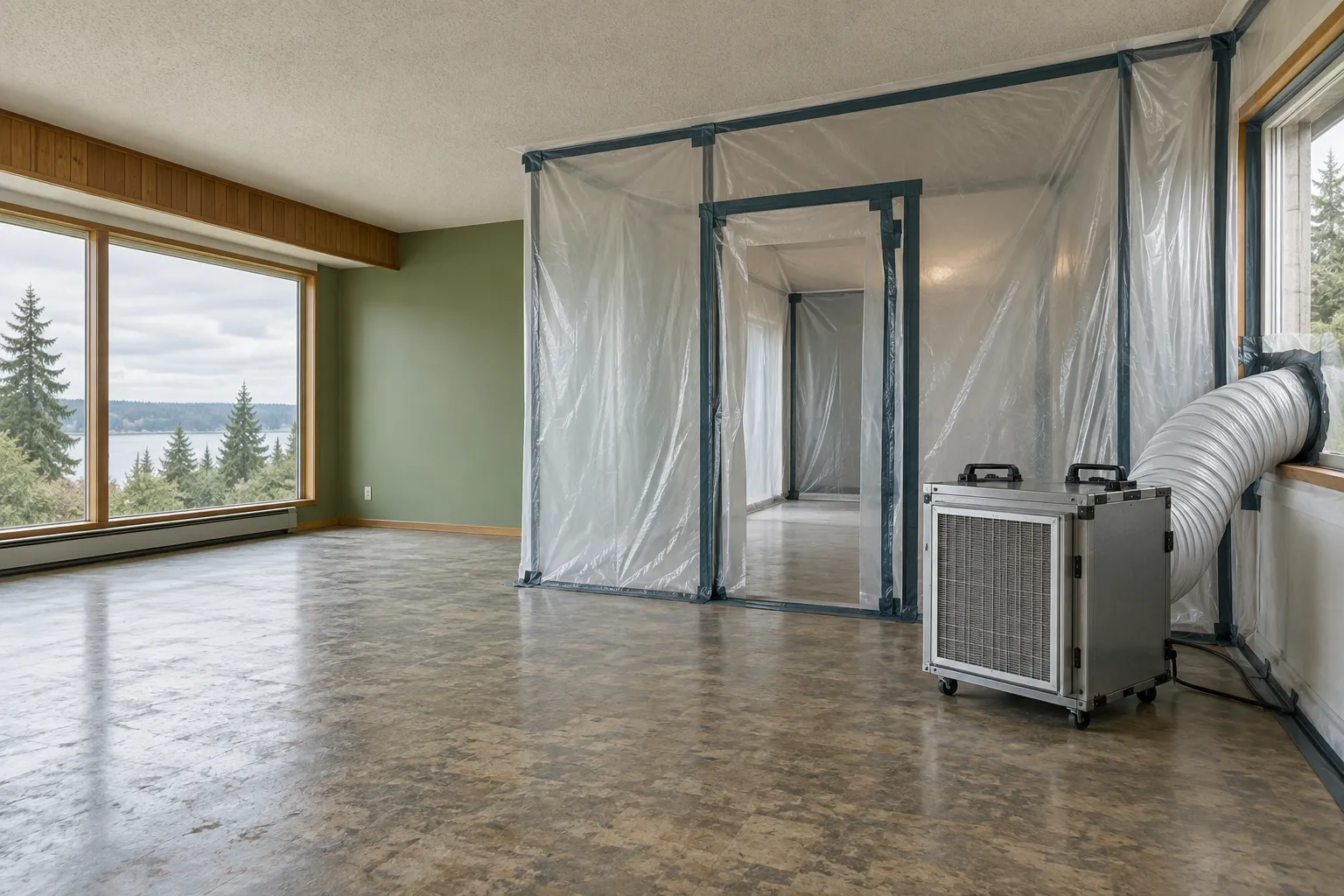
Before any dates are set, we walk the work area through with you. You hear where it ends, which materials come out and how it meets the rooms you're still using and the other trades on site. We also agree on access, off-limits spots, and who handles notices, waste and repairs.
What you get at the end
Keep the papers we hand over with the house records, because the next remodel will need them. They include the disposal paperwork, the results of our visual check and any clearance air test, each answering a different question, plus a note of any asbestos left in the building. We also tell you when the next trade can start.
Match Texas requirements to the building and project
Texas DSHS treats private homes, public buildings and other facilities differently. Describe what your Hutto building is used for and the whole renovation or demolition, and we'll work out which survey and notice rules apply. What holds for one house isn't always true for a bigger building.